Overthinking in a relationship can quietly destroy something that might otherwise be healthy and fulfilling. I’ve seen this pattern repeat for years—people don’t lose relationships because of cheating or fights alone; they lose them because their minds never rest.
If you’re constantly replaying conversations, reading into texts, imagining worst-case scenarios, or questioning your partner’s feelings without real evidence, this article is for you.
This isn’t a generic “stay positive” guide. This is a practical, psychology-backed, experience-driven breakdown of how to stop overthinking in a relationship—and more importantly, why you do it in the first place.

What Overthinking in a Relationship Really Looks Like
Before fixing the problem, you need to stop lying to yourself about it.
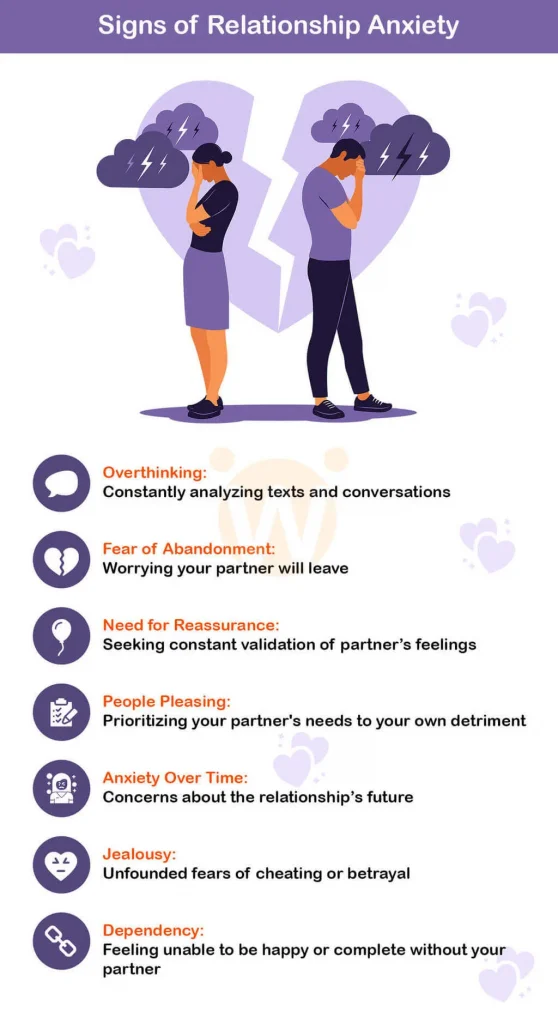
Overthinking in a relationship usually shows up as:
- Obsessively analyzing texts, tone, or response time
- Assuming silence means rejection
- Replaying arguments long after they end
- Imagining scenarios that haven’t happened
- Seeking constant reassurance but never feeling secure
This isn’t “being caring.” It’s mental hyper-vigilance, and it drains both you and your partner.
Why You Overthink in Relationships (The Root Causes)
Most people try to stop overthinking without understanding why their brain does it. That’s why they fail.
1. Fear of Abandonment (Often From Past Experiences)
If you’ve been emotionally neglected, cheated on, or blindsided before, your brain learned one thing:
“Stay alert or you’ll get hurt again.”
Overthinking becomes a survival strategy, not a flaw.
2. Anxious Attachment Patterns
People with anxious attachment tend to:
- Over-interpret behavior
- Depend on external reassurance
- Feel unsafe when things are calm
This has nothing to do with intelligence or maturity. It’s about nervous system wiring.
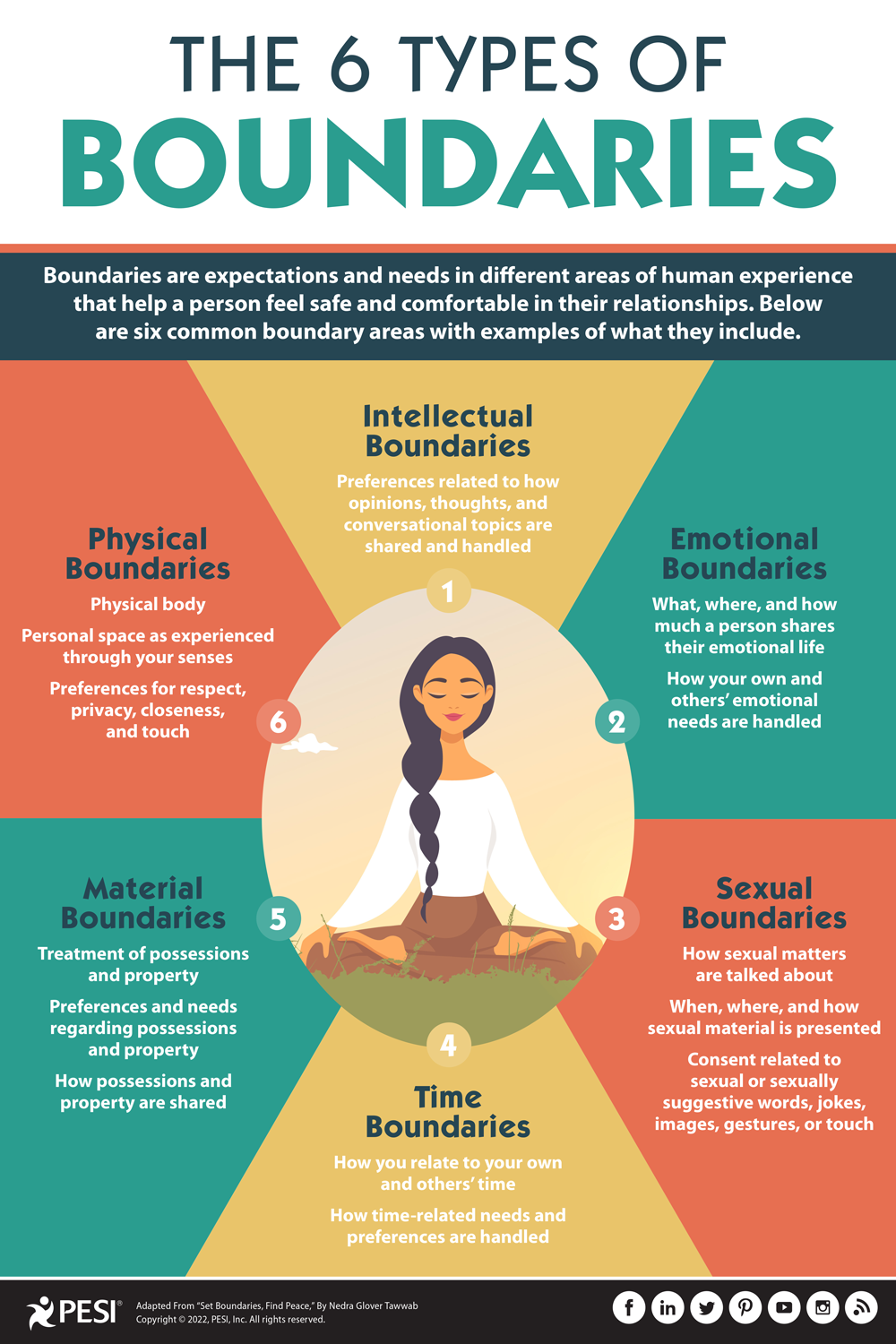
3. Lack of Emotional Boundaries
If your happiness depends entirely on your partner’s mood, actions, or validation, your mind will overwork itself trying to control the outcome.
4. Unrealistic Relationship Expectations
Movies, social media, and “perfect couple” content teach people that:
- Love should always feel intense
- Doubt means something is wrong
That belief fuels overthinking like petrol on fire.
The Hard Truth: Overthinking Is a Control Issue
Here’s the uncomfortable part most people avoid:
Overthinking is your attempt to control uncertainty.
You think:
- If I analyze enough, I’ll feel safe
- If I predict pain, it won’t hurt as much
But relationships are inherently uncertain. Trying to eliminate uncertainty destroys intimacy.
Also read: Deep Relationship Questions to Ask Your Boyfriend
How to Stop Overthinking in a Relationship (Step-by-Step)
Now let’s talk solutions that actually work.
1. Separate Facts From Stories
This is the most important skill I teach.
Ask yourself:
- What did my partner actually do or say? (facts)
- What meaning am I adding? (story)
Example:
- Fact: They replied after 4 hours
- Story: They’re losing interest
Your brain treats stories like facts unless you interrupt it.
Action step:
Write down the situation. Draw two columns: Facts vs Assumptions. This alone reduces overthinking intensity by half.
2. Stop Mind-Reading (You’re Bad at It)
You are not a psychic. No one is.
Assuming you know what your partner thinks without asking is:
- Emotionally unfair
- Often wrong
- Guaranteed to increase anxiety
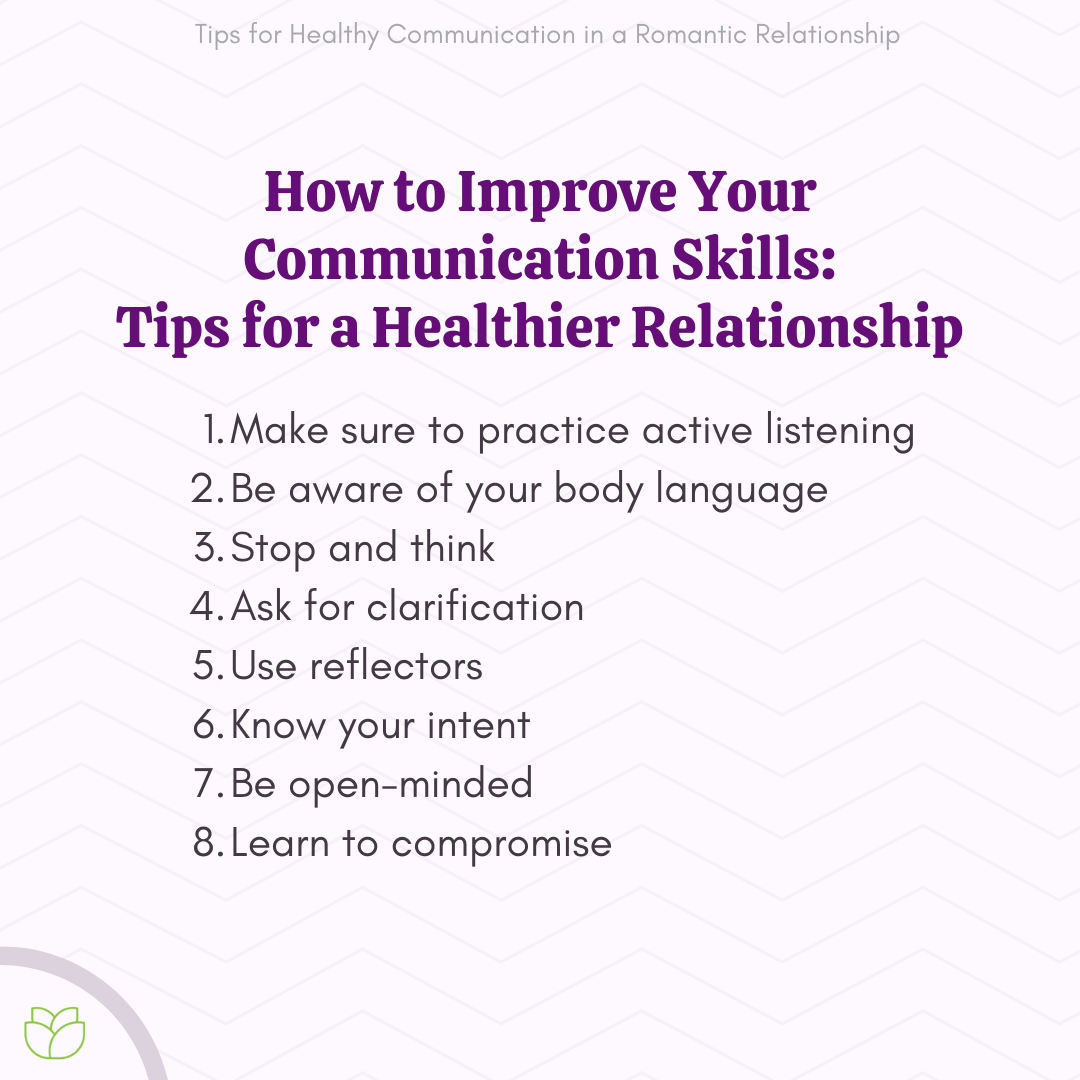
Healthy relationships rely on communication, not interpretation.
Replace:
“They didn’t text back, so they don’t care.”
With:
“I don’t know why they haven’t replied yet.”
That one sentence creates mental space.
3. Regulate Your Nervous System (Not Just Your Thoughts)
Overthinking isn’t just mental—it’s physiological.
If your body is anxious, your thoughts will follow.
Things that actually help:
- Slow breathing (4-6 breaths per minute)
- Physical movement (walking> scrolling)
- Reducing caffeine
- Consistent sleep
You can’t think your way out of a dysregulated nervous system.
4. Build a Life Outside the Relationship (Non-Negotiable)
This is where I’ll be blunt.
If your partner is your only emotional center, you will overthink. Period.
A healthy relationship requires:
- Personal goals
- Friends
- Interests that don’t involve your partner
Independence isn’t distance—it’s stability.
5. Learn to Tolerate Uncertainty (This Is Growth)
Secure people aren’t secure because they “know everything.”
They’re secure because they’ve learned:
“I can handle uncertainty without panicking.”
Instead of asking:
- “What if this ends?”
Ask:
- “Would I survive if it did?”
The answer is yes—and your brain needs to hear that.


6. Communicate Instead of Reassurance-Fishing
There’s a difference between:
- Healthy reassurance
- Compulsive reassurance-seeking
Constantly asking:
- “Do you love me?”
- “Are we okay?”
Actually, it weakens trust over time.
Instead, say:
“When communication drops, I notice my anxiety increases. I’m working on it, but I wanted you to know.”
That’s mature, honest, and grounded.
7. Set Mental Time Limits for Rumination
Your brain will overthink if you let it.
Try this:
- Give yourself 10 minutes to think it through
- After that, redirect attention (music, walk, task)
Overthinking feeds on unlimited time.
8. Stop Checking for Proof of Love
Checking messages, social media, and last seen status creates temporary relief and long-term anxiety.
Every time you check:
- You teach your brain that anxiety = action
- You reinforce the habit
Breaking this cycle is uncomfortable but necessary.
Also read: Deep Relationship Questions to Ask Your Boyfriend
When Overthinking Is a Sign of a Bigger Problem
Let’s be clear: sometimes overthinking isn’t the issue; the relationship is.
Red flags include:
- Inconsistent behavior
- Emotional unavailability
- Gaslighting (“you’re too sensitive”)
- Lack of reassurance when reasonably needed
In these cases, your mind may be reacting to real instability, not imaginary threats.
Self-work should never excuse unhealthy dynamics.
How Long Does It Take to Stop Overthinking?
Realistically?
- Awareness: 1–2 weeks
- Reduced intensity: 1–2 months
- Consistent calm: ongoing practice
This is not an overnight fix. Anyone who promises that is lying.
But the payoff is huge:
- Better sleep
- Stronger relationships
- Emotional self-trust
Final Reality Check
You don’t stop overthinking by controlling your partner.
You stop overthinking by building internal safety.
That means:
- Emotional responsibility
- Honest communication
- Accepting risk
Love without risk doesn’t exist.
FAQs: How to Stop Overthinking in a Relationship
1. Is overthinking normal in relationships?
Yes, especially in early stages or after emotional wounds. It becomes unhealthy when it’s constant and uncontrollable.
2. Can overthinking ruin a relationship?
Absolutely. Chronic overthinking creates pressure, insecurity, and emotional exhaustion for both partners.
3. How do I stop overthinking texts?
Limit checking, challenge assumptions, and focus on facts. If anxiety persists, address attachment patterns rather than the phone.
4. Does overthinking mean I don’t trust my partner?
Not always. Often, it means you don’t trust certainty itself due to past experiences.
5. Should I tell my partner I overthink?
Yes, but frame it as self-awareness, not blame. Mature partners appreciate honesty.
6. Can therapy help with relationship overthinking?
Yes. Especially if overthinking is linked to anxiety or attachment trauma.
Final Word (From Experience)
Overthinking doesn’t mean you’re broken.
It means you learned to survive emotionally, and now you’re learning to live.
1 thought on “How to Stop Overthinking in a Relationship (Expert Guide)”