
Building a healthy, fulfilling relationship takes effort, understanding, and genuine care. If you’re wondering how to be a good girlfriend, you’re already taking the first step toward creating a stronger bond with your partner. Being a good girlfriend isn’t about perfection or losing yourself in the relationship. It’s about being authentic, supportive, and committed to growing together.
This comprehensive guide shares proven relationship tips that will help you become a better partner while maintaining your individuality and self-respect. Whether you’re in a new relationship or looking to strengthen an existing one, these good girlfriend tips will set you on the path to lasting love.
Table of Contents
Understanding What Makes a Good Girlfriend
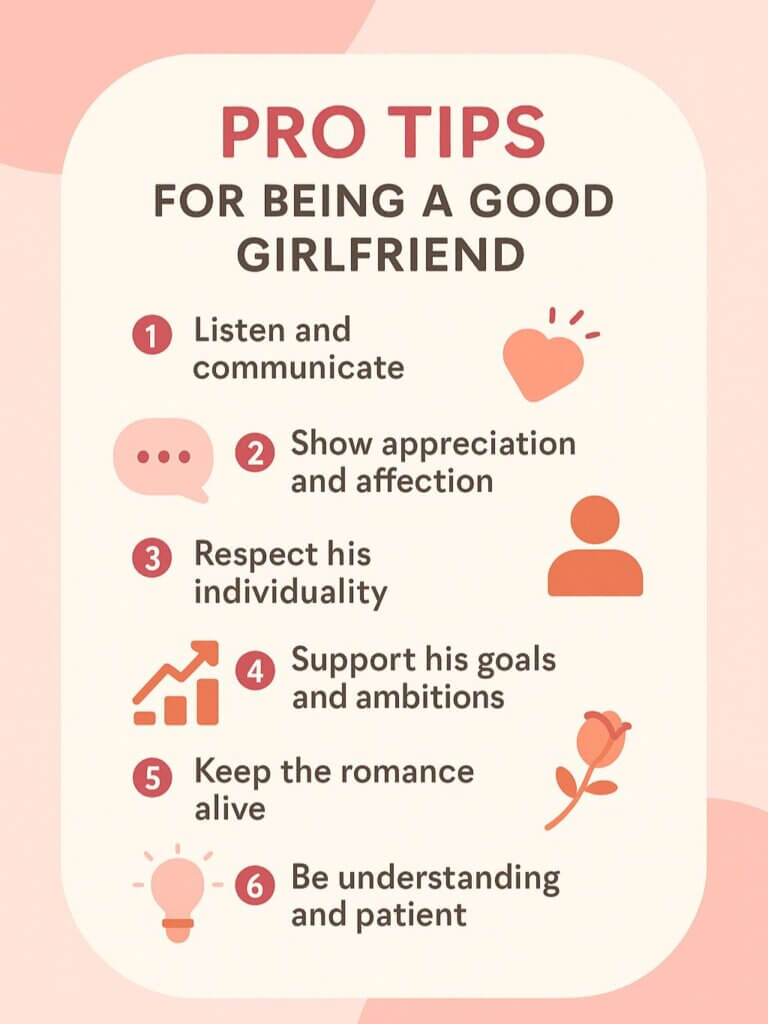
Before diving into specific tips, it’s important to understand that being a good girlfriend means different things in different relationships. Every partnership has unique dynamics, values, and expectations. However, certain fundamental qualities create the foundation for healthy relationships across the board.
A good girlfriend respects herself and her partner, communicates openly, supports her partner’s growth, and maintains her own identity. She understands that relationships require work, compromise, and mutual effort. Most importantly, she recognizes that being a good partner starts with being comfortable and confident in who she is.
1. Communicate Openly and Honestly
Effective communication forms the backbone of every successful relationship. Learning how to be a better partner starts with expressing your thoughts, feelings, and needs clearly and respectfully.
Share your emotions without fear of judgment. When something bothers you, address it calmly rather than letting resentment build. Use “I” statements to express your feelings without sounding accusatory. For example, say “I feel hurt when plans change without notice” instead of “You always cancel on me.”
Active listening is equally important. Give your partner your full attention when they speak, put away distractions, and show genuine interest in their thoughts and experiences. Ask clarifying questions and reflect back what you’ve heard to ensure understanding.
Communication also means discussing the big topics: future goals, financial views, family planning, and personal values. These conversations strengthen your connection and help you determine long-term compatibility.
2. Maintain Your Independence
One of the most valuable relationship tips for women is maintaining your own identity. A good girlfriend has her own interests, friendships, goals, and hobbies outside the relationship.
Spend time pursuing your passions and personal development. Whether it’s your career, creative pursuits, fitness goals, or educational aspirations, continue investing in yourself. This independence makes you more interesting, fulfilled, and balanced as a partner.
Maintain your friendships and family connections. Your partner should enhance your life, not replace everyone else in it. Healthy relationships include space for both partners to nurture other important relationships.
Having your own life reduces codependency and prevents you from losing yourself in the relationship. It also gives you interesting experiences to share with your partner and helps you bring positive energy into the relationship.
3. Show Appreciation and Gratitude
Never underestimate the power of appreciation in relationships. Expressing gratitude for both big gestures and small everyday acts strengthens your bond and makes your partner feel valued.
Thank your partner for specific things they do, whether it’s making coffee in the morning, listening to you vent about work, or planning a special date. Acknowledge their efforts and let them know you notice the ways they contribute to your happiness.
Compliment your partner genuinely and regularly. Recognize their strengths, achievements, and positive qualities. Everyone wants to feel seen and appreciated by their significant other.
Show appreciation through actions as well as words. Small gestures like leaving a sweet note, making their favorite meal, or giving a spontaneous hug communicate gratitude powerfully.
4. Build Trust Through Consistency
Trust is essential in any relationship, and building it requires consistent, reliable behavior over time. When you’re learning how to be a good girlfriend, remember that trust develops through daily actions, not grand gestures.
Keep your promises, both big and small. If you say you’ll call at a certain time, do it. If you commit to attending an event, follow through. Consistency in small matters builds confidence in larger ones.
Be honest, even when it’s uncomfortable. Lies and deception, no matter how small, erode trust rapidly. If you make a mistake, own it and apologize sincerely rather than making excuses or hiding the truth.
Respect your partner’s privacy while maintaining appropriate transparency. Share your life openly, including your daily activities, friendships, and feelings. When your partner feels they know what’s happening in your world, trust deepens naturally.
5. Support Your Partner’s Goals and Dreams
What makes a good girlfriend stand out is genuine support for her partner’s aspirations. Show enthusiasm for your partner’s dreams, even if they differ from your own interests.
Encourage your partner during challenging times. When they face setbacks or doubts, be their cheerleader. Offer practical help when possible, whether that’s proofreading a resume, brainstorming solutions, or simply providing emotional support.
Celebrate their successes enthusiastically. When your partner achieves something meaningful, share their joy without diminishing it or making it about yourself. Your pride in their accomplishments strengthens your connection.
Balance support with honesty. If you have genuine concerns about a decision or path they’re considering, share your perspective respectfully. True support sometimes means asking thoughtful questions that help your partner think through their choices.
6. Respect Boundaries and Personal Space
Healthy relationships include appropriate boundaries that honor both partners’ needs. Understanding and respecting these boundaries is crucial when learning how to be a better partner.
Give your partner space when they need it. Everyone requires alone time to recharge, reflect, or pursue individual interests. Don’t take it personally when your partner needs time alone or with friends.
Communicate your own boundaries clearly. Let your partner know what you’re comfortable with regarding physical affection, time commitments, financial decisions, and other important areas. Boundaries aren’t walls; they’re guidelines that help both partners feel safe and respected.
Respect your partner’s relationships with family and friends. Don’t demand all their time or try to control who they spend time with. Healthy relationships include space for other meaningful connections.
7. Handle Conflicts Constructively
Every relationship experiences disagreements. How you handle conflicts often matters more than the conflicts themselves. These dating advice tips will help you navigate disagreements healthily.
Stay calm during arguments. When emotions run high, take a deep breath before responding. If you’re too upset to communicate effectively, request a short break to collect your thoughts before continuing the discussion.
Focus on the specific issue at hand rather than bringing up past grievances or attacking your partner’s character. Avoid words like “always” and “never” which tend to escalate conflicts.
Listen to understand, not just to respond. Try to see the situation from your partner’s perspective even when you disagree. Acknowledging their feelings doesn’t mean you have to agree with their position.
Work toward solutions together. The goal of conflict resolution isn’t winning the argument but finding a compromise or understanding that works for both partners. Be willing to meet in the middle.
8. Be Affectionate and Intimate
Physical and emotional intimacy keeps relationships vibrant and connected. Show affection in ways that feel natural and meaningful to both you and your partner.
Learn your partner’s love language. Some people feel most loved through physical touch, while others prefer words of affirmation, quality time, acts of service, or receiving gifts. Understanding and speaking your partner’s love language strengthens your connection.
Initiate physical affection regularly. Don’t wait for your partner to always make the first move. Hold hands, give hugs, cuddle on the couch, and show physical affection throughout the day, not just during intimate moments.
Maintain intimacy through both verbal and non-verbal communication. Share your feelings openly, maintain eye contact during conversations, and create moments of closeness through shared experiences and quality time together.
9. Take Care of Yourself
Self-care isn’t selfish; it’s essential. When you’re learning how to be a good girlfriend, remember that you can’t pour from an empty cup. Taking care of your physical, emotional, and mental health makes you a better partner.
Prioritize your health through proper nutrition, regular exercise, adequate sleep, and stress management. When you feel good physically, you bring more positive energy into your relationship.
Address your mental and emotional needs. Whether through therapy, journaling, meditation, or talking with trusted friends, make sure you’re processing your emotions healthily rather than bringing unresolved issues into your relationship.
Pursue activities that fulfill you and bring you joy. Having sources of happiness outside your relationship prevents you from placing unrealistic expectations on your partner to be your sole source of fulfillment.
10. Show Interest in Your Partner’s Life
Genuine interest in your partner’s world strengthens your connection and shows you value what matters to them. Ask about their day, their work, their hobbies, and their thoughts on various topics.
Remember important details they share. When your partner mentions an upcoming meeting, a friend’s situation, or something they’re worried about, follow up on it later. This shows you’re truly listening and care about their experiences.
Try their interests occasionally, even if they’re not your favorite activities. You don’t need to love everything they love, but showing willingness to participate in their hobbies demonstrates love and support.
Ask meaningful questions that go beyond surface-level conversation. Explore your partner’s dreams, fears, values, and perspectives on life. Deep conversations create emotional intimacy and help you truly know each other.
11. Be Reliable and Dependable
Reliability builds security in relationships. When your partner knows they can count on you, it creates a foundation of trust and safety that allows the relationship to flourish.
Follow through on commitments consistently. If you agree to do something, make it happen or communicate proactively if circumstances change. Your actions should match your words.
Be there during difficult times. True partnership means supporting each other through challenges, not just enjoying the good times together. Show up when your partner needs you, whether that’s during illness, family problems, work stress, or personal struggles.
Demonstrate consistency in your behavior and emotions. While everyone has off days, aim to be a stable, positive presence in your partner’s life. Unpredictable mood swings or behavior can create anxiety and insecurity in the relationship.
12. Maintain a Sense of Humor
Laughter and playfulness keep relationships fun and light-hearted. Don’t take everything too seriously or forget to enjoy each other’s company.
Laugh together regularly. Share funny stories, watch comedies, or simply be silly together. Couples who laugh together often report higher relationship satisfaction.
Don’t be afraid to laugh at yourself. Taking yourself too seriously creates unnecessary tension. The ability to acknowledge your own mistakes with humor shows confidence and emotional maturity.
Use humor appropriately during tense moments. Sometimes a well-timed, gentle joke can diffuse tension and remind you both not to sweat the small stuff. However, be sensitive about timing and never use humor to dismiss your partner’s legitimate concerns.
13. Respect Your Partner’s Family and Friends
Your partner’s important relationships matter, and respecting them shows you care about their happiness and well-being beyond just your relationship.
Make an effort with their family, even if they’re challenging. You don’t have to become best friends, but showing basic kindness and respect demonstrates maturity and consideration for your partner’s feelings.
Support their friendships and encourage time with friends. A partner who tries to isolate you from others is exhibiting controlling behavior, and the same applies in reverse. Healthy relationships include room for friendships outside the partnership.
Speak positively about the people your partner cares about, or at least neutrally if you have concerns. Criticizing someone’s family or friends puts your partner in an uncomfortable position and can damage your relationship.
14. Continue Growing and Evolving Together
Successful long-term relationships involve two people who grow individually while also evolving together. Stagnation can lead to boredom and disconnection.
Set relationship goals together. Discuss what you both want to accomplish as a couple, whether that’s traveling, buying a home, developing new skills, or deepening your emotional connection.
Try new experiences together regularly. Novel experiences trigger dopamine release and create positive associations with your partner. Whether it’s trying a new restaurant, taking a class together, or exploring a new hobby, shared experiences keep your relationship fresh.
Be open to feedback and willing to work on yourself. When your partner expresses concerns or needs, listen with an open mind and be willing to make adjustments. Growth requires vulnerability and the willingness to change.(how to be a good girlfriend)
15. Practice Forgiveness and Let Go of Grudges
Holding onto resentment poisons relationships. Learning to forgive and move forward is essential for long-term partnership success.
Address issues when they arise rather than storing them up. Don’t keep a mental list of your partner’s mistakes to use as ammunition during future arguments. Deal with problems in real-time and then let them go.
Understand that everyone makes mistakes. Your partner is human and will sometimes disappoint you, just as you’ll occasionally disappoint them. Grace and forgiveness create space for both partners to be imperfect while still being loved.
If your partner apologizes sincerely, accept it and move forward. Continuing to punish someone after they’ve acknowledged their mistake and made amends prevents healing and growth.
Building Your Best Relationship
Learning how to be a good girlfriend is an ongoing journey, not a destination. Relationships evolve, and what works at one stage may need adjustment as you both grow and change. The key is maintaining commitment to mutual respect, open communication, and genuine care for each other’s well-being.
Remember that being a good girlfriend doesn’t mean being perfect or sacrificing your own needs and identity. The healthiest relationships involve two complete individuals who choose to build a life together while maintaining their independence and self-worth.
These good girlfriend tips provide a foundation, but every relationship is unique. Pay attention to what your specific partner needs and values, communicate openly about your relationship, and be willing to adapt and grow together.
As you implement these relationship tips for women, be patient with yourself. Change takes time, and you’ll have days when you fall short of your ideals. What matters most is your consistent effort to show up as your best self and your commitment to nurturing a healthy, loving partnership.
For more insights on building healthy relationships, the American Psychological Association offers research-based resources on relationship psychology. The Gottman Institute also provides evidence-based approaches to improving romantic relationships that have helped countless couples strengthen their bonds.
Your relationship deserves the investment of time, energy, and intentionality. By focusing on these essential principles and adapting them to your unique situation, you’ll create a strong foundation for lasting love and partnership.
Check your love compatibility
This helped me so much in understanding my love for my partner.
Thank you so much for your kind comment! It means a lot to know that this article helped you better understand your feelings for your partner. Relationships can teach us a great deal about ourselves, and gaining that clarity is always valuable. I wish you and your partner all the happiness and understanding moving forward.